The impact of AI wasn't that obvious 1 year ago and a lot has changed since then and it looks like a decade has passed. I started when Claude Sonnet 3.7 dropped, one of the first models that could actually build frontend. I had two options: learn it or get left behind. Not much of a choice, really.
I saw it as a chance to evolve as a designer, not a threat. And look, I'm aware every single day that I could be replaced. But I'm prepared for it, and that doesn't scare me. It's just another reason to keep moving. Life is boring otherwise.
The first move
Switching from Figma's canvas to working entirely inside Cursor was rough. You've spent years pushing pixels around, and suddenly you're staring at an IDE wondering what half the buttons do. No playbook prepares you for that. You just have to build things, break things, and figure it out as you go.
So that's what I did. I spent hours and hours building React prototypes, dumping files in the wrong folders, causing errors I couldn't even begin to understand. A complete mess. And the agent's response? Always the same: "You're absolutely right." Meanwhile it's 3am and I'm swearing at a non-human. At some point the models swore back at me, but that's another story.
Stepping into an alien world
Going from a canvas to a black screen covered in code felt like entering another dimension. I had no idea how to set up an environment. No idea how a repository should be organised, how folders should be structured, where anything goes. Even though I'd worked alongside engineers before, it's a completely different thing to actually step into their world and try to operate in it.
If you're an engineer reading this, you're probably laughing. Fair enough.
You can learn anything if you commit to it
Figma wasn't an option anymore, so I learned. How a React app should work and behave. How to organise folders properly. How to create and maintain a repo without it falling apart every time I touched something. I learned how to build components, how to apply design system principles in code, how to build an entire design system by writing it rather than drawing it.
I learned how to talk to AI models better, how to manage them so they actually do useful work, which one to use for what and when. Still learning that part, honestly.
Then came the git stuff. Working with branches, creating pull requests, merging my first PR into dev. Then my first PR into production. That one felt like something. I also figured out when to use existing libraries and when to build custom components from scratch, and more importantly, how to make sure they actually work.
Living with non-humans
This has been one of the strangest years of my life. I've spent more time chatting with AI models than talking to actual people. For almost a year, nearly every day, I've been at it for 10+ hours doing the same thing. I know their personalities now, how they respond, how they think (or pretend to think), and how much they cost. Lately they've been eating a lot more than they used to.
I actually built a thing that shows their personalities: ai-like-humans.vercel.app (keep in mind they evolve, so some of this might shift).
The team
Sonnet has been my go to. Best all round performer, especially on frontend work. Opus is the senior on the team but I rarely call it in because of the price; we have to be in real trouble before I reach for that one.
The Anthropic models have a habit of rushing. They try to do everything at once, leave bugs behind, skip basics. They need structured, broken down plans or they'll make a mess. One task at a time works best.
Gemini is my copywriter, planner, and researcher. It tries to code but doesn't enjoy it. Codex has stepped up recently with the GPT-5.2 and 5.3 releases. It's great for longer running tasks and thinks more carefully than the Anthropic models do.
Cursor's Composer 1 and 1.5 are solid, similar in character to the Anthropic models. Grok Code surprised me. It's actually decent for small, repetitive frontend refinements, and it's by far the cheapest option. If you don't want to burn money on minor polish, Grok is your model.
How my design process changed
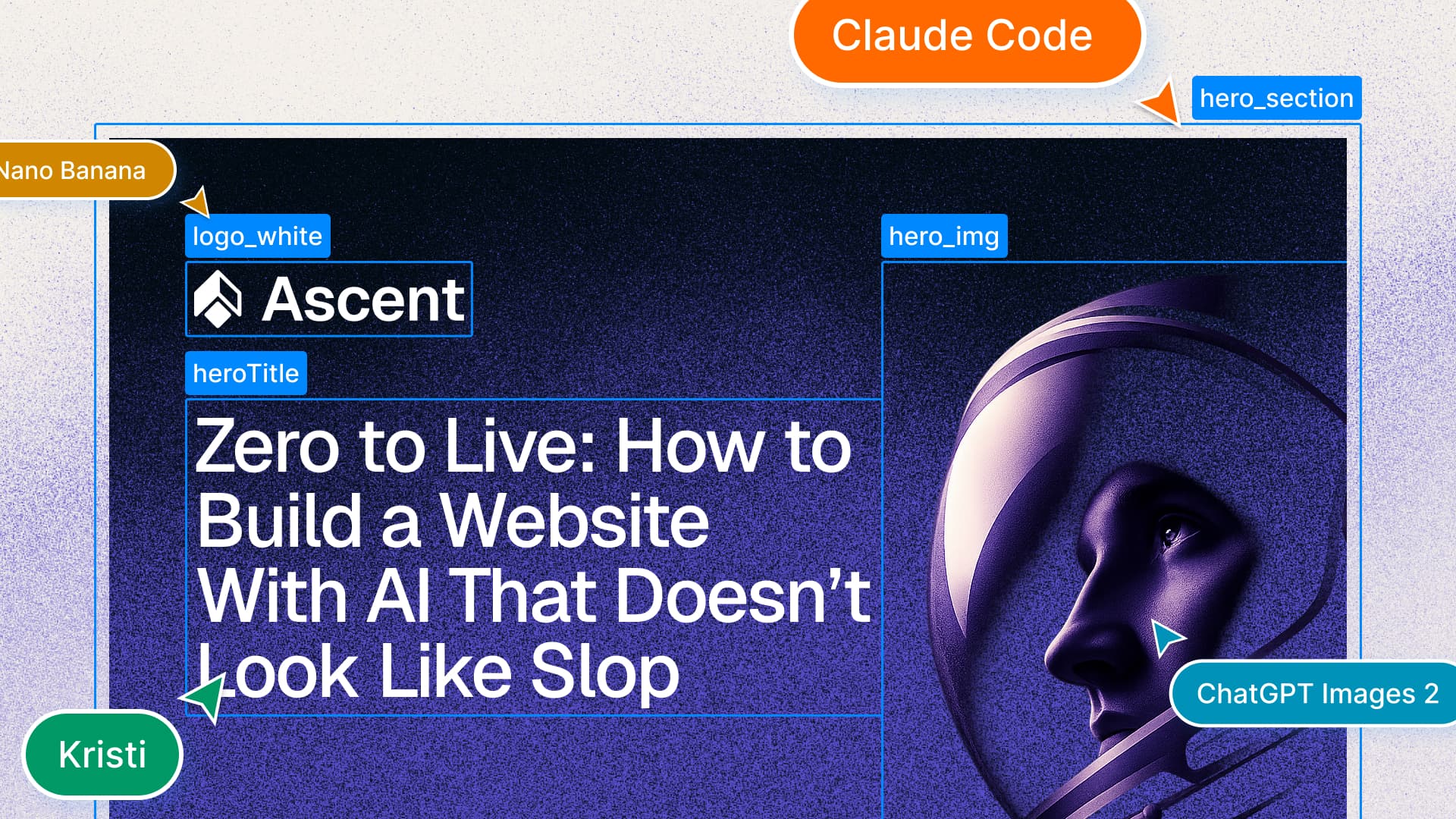
Everything about how I work is different now. I used to design static screens, build prototypes, hand off to developers, and wait. Now I'm building the actual interfaces myself, testing them, iterating in code. What used to take weeks now takes hours. Sometimes days for bigger things, but never weeks.
The biggest shift is how much planning matters now. Research, planning, and design all blend together for me. You need to give AI models the right context and clear direction or they'll go off track. I do the high level thinking, set the design direction (how it should look, how it should feel, how it should behave), and then I build it. Test it. Tweak it. Repeat until it's right.
My role has changed because of this. When you're the one building the product, not just designing it, your responsibility grows. You have a direct impact on what people actually experience. That weight feels different.
What's next?
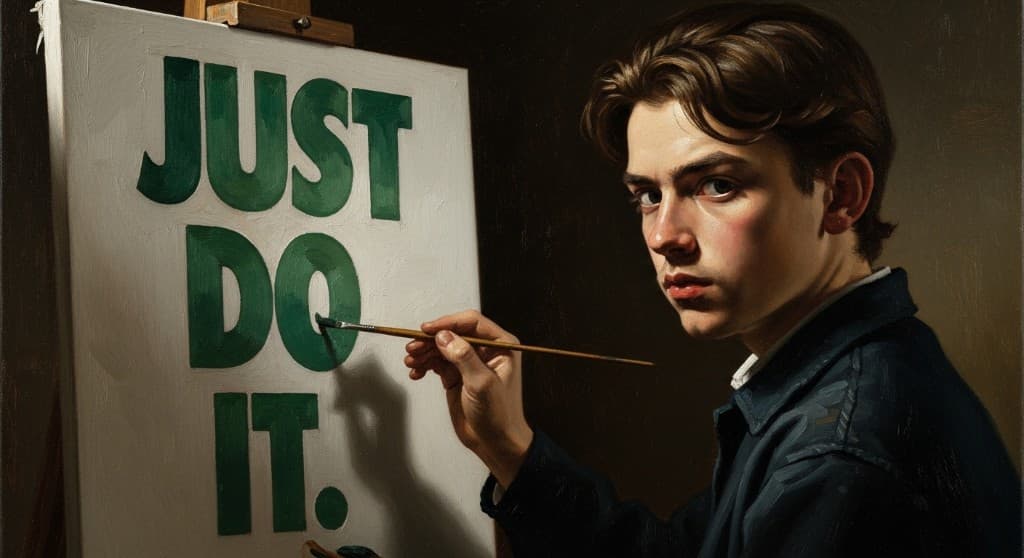
In the past year I have learned a lot, but the one thing that stands above everything else is to just do it. All the doubts, the fear you feel when trying something new are shattered at the first moment when you start doing it. Do not be afraid of change, do not be defined by tools you use or by roles you hold, they don't matter and the more you try to hold them the more difficult it becomes for you. For me it's not about the roles you have and how you are going to be called, what excites me is to be able to create, build and have an impact. I have never seen myself labelled and defined by a role, I am always excited by changes, learning new things and moving forward. Be comfortable with uncertainty and try to work through it.
No one knows what is going to happen and how things are going to change. We are living in an uncertain and amazing world at the same time, change is difficult but it's necessary and forces you to become better and more creative. Be prepared for everything, think deeply about why you do what you do and be open to change.