

Transforming The Way Of Publishing Ads
Transformed disconnected advertising platform features into a cohesive product through strategic information architecture, enabling successful investor pitches and clear development roadmap
Context
An advertising platform built features in isolation for 8 months. The result: functional pieces but no cohesive product, unclear investor pitch, and confused developers.
UX/UI Designer
6 months
The Challenge
Three major features existed but none connected. Users couldn't understand how to use the platform, and the team couldn't pitch to investors.
Key Constraints:
- 6-week investor pitch deadline
- Features already built with technical debt
- Team misalignment across engineering and business
The Approach
Discovery
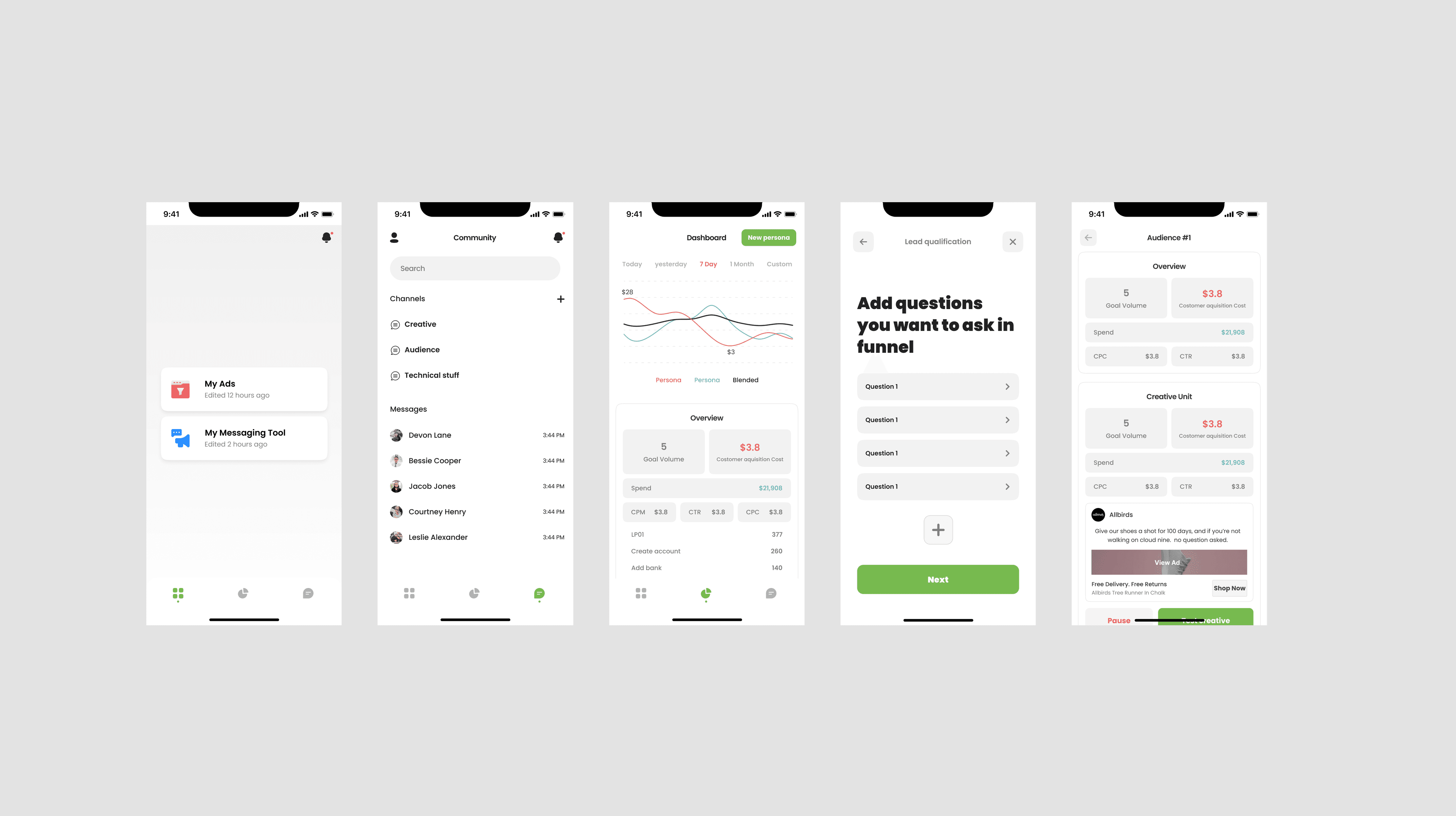
2-week audit of all screens, stakeholder interviews, and competitive analysis of Meta Ads, Google Ads, and TikTok Ads to understand user expectations.
Key Insight
The platform was built from a technical perspective (what engineers could build) rather than a user perspective (how advertisers actually work). Users think in campaigns → ad sets → ads, but the interface showed everything as separate tools.
Solution
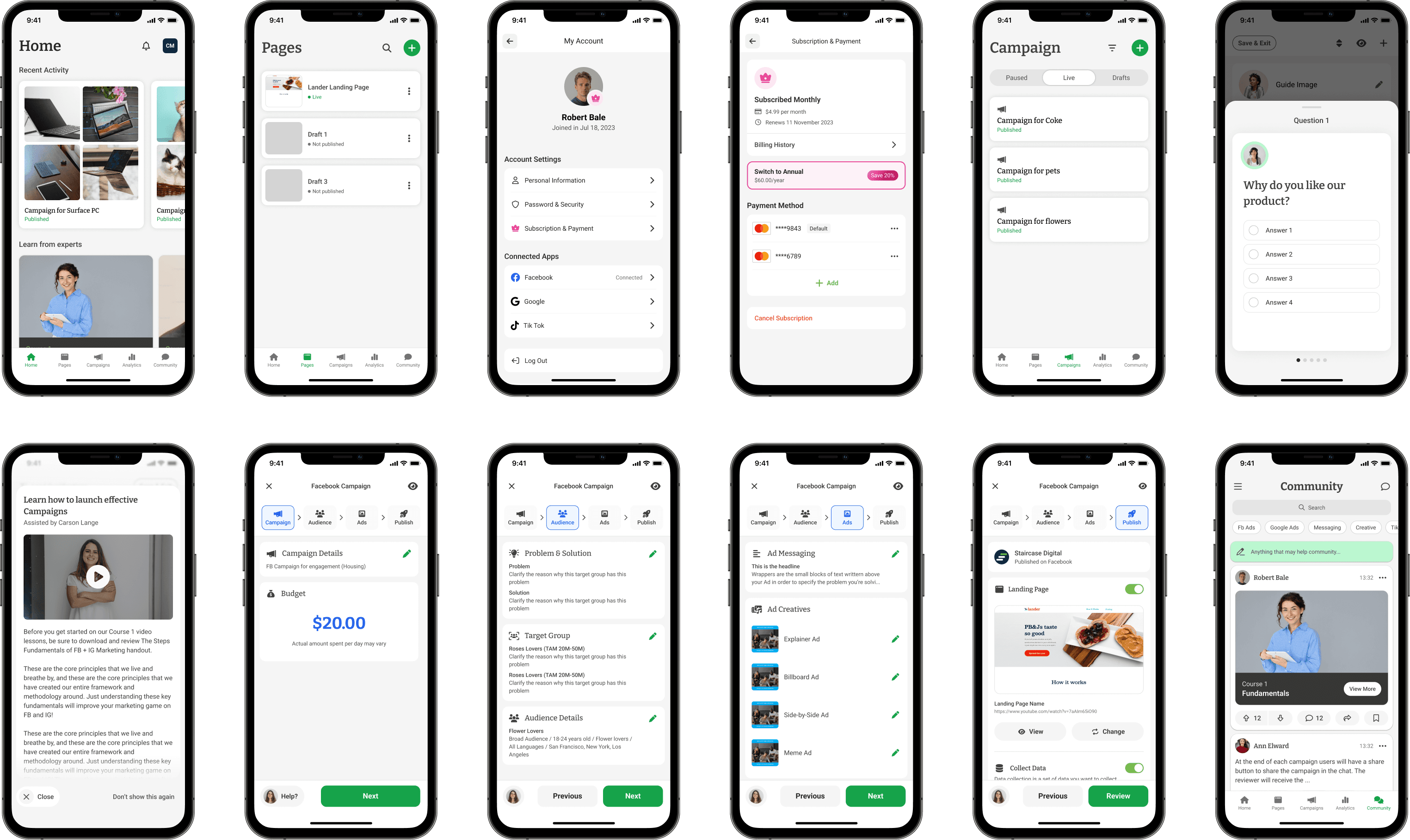
Built comprehensive information architecture showing how all features connect, designed visual hierarchy matching advertiser mental models, and created a team alignment sitemap that became the single source of truth for development priorities.
Key Decisions
Information Architecture First, Interface Second
Focused on fixing the structural problems before touching visual design. This created a solid foundation that prevented future feature chaos and gave the team a clear product vision.
Target Beginners to Serve Everyone
Simplified the interface for non-professionals rather than catering to advertising experts. Research showed that if beginners can use it, advanced users find it intuitive—but not vice versa.
Campaign Hierarchy as Core Mental Model
Organized the entire platform around the campaign → ad set → ad hierarchy that advertisers already understand. This single decision solved navigation, data organization, and feature relationships.
Team Alignment Sitemap as Deliverable
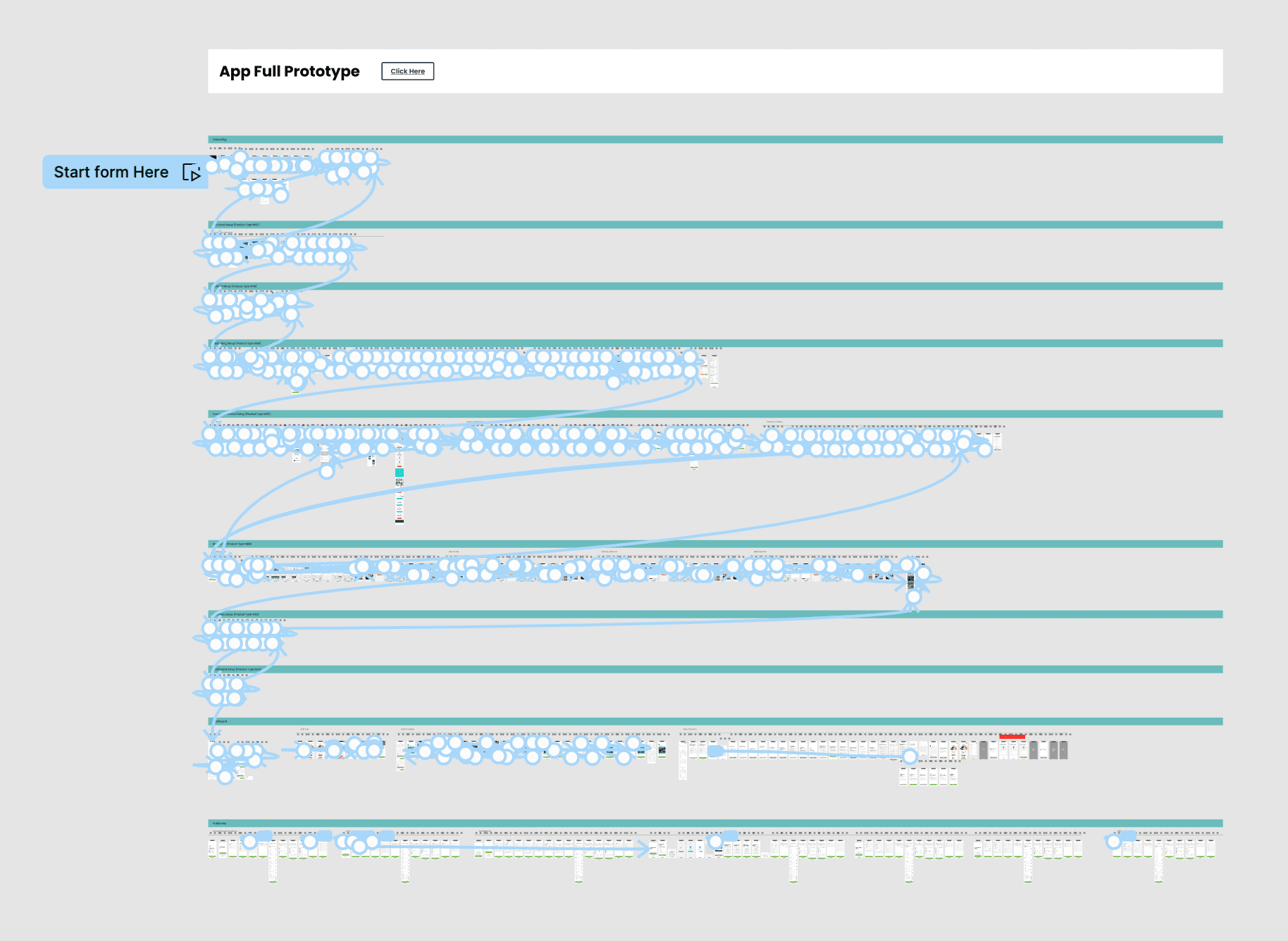
Created a simple, visual sitemap that all stakeholders could reference. This single artifact aligned engineering, product, and business teams and enabled investor presentations.
The Results
- Successfully pitched to Series A investors — founders could clearly articulate product vision and roadmap for first time
- 6-month development roadmap created — eliminated debates about what to build next, everyone aligned on priorities
- Reduced feature development time by 40% — clear architecture meant engineers knew exactly where new features fit
- Campaign creation flow reduced from 12 steps to 5 — removed unnecessary complexity and technical jargon
- Navigation clarity improved from 3.2 to 8.7 (out of 10) in usability testing with 8 users
- Unified 3 disconnected features into cohesive system — campaign creator, landing page builder, and analytics now work together
Reflections
What Worked Well
- Starting with information architecture rather than visual design solved the root cause instead of symptoms
- Creating a single alignment artifact (the sitemap) that all stakeholders could reference eliminated endless debates
- Studying competitor platforms gave us validated patterns users already understood
- Involving engineering early in architecture decisions prevented designing impossible solutions
What Could Improve
- Should have pushed harder for user testing budget—5 users wasn't enough to validate all decisions
- Could have created interactive prototypes earlier to test the navigation hierarchy with real data
- Documentation of design decisions could have been more thorough for future team members
Key Takeaway
Always validate your product vision and core functionalities with real users before building the entire app. Test early, iterate fast, and stay focused on the core value proposition—building in the wrong direction wastes time and resources.