DIA Solutions: Enterprise Healthcare Platform
Unified fragmented product websites into a single multilingual platform serving 5 European markets—delivered in 1 month.
Overview
DIA Solutions needed to merge two companies and launch a unified brand across Europe in just 4 weeks. I joined as a Design Engineer to architect a single, high-performance platform that would replace their fragmented websites and empower their marketing team to manage content without developer support.
Design Engineer
1 month
The Problem
The client was operating with a disjointed web presence that created a bottleneck for their growth. Every content change required developer time, and their fragmented sites confused customers in their 5 core markets.
- Engineering Bottleneck: The marketing team couldn't edit text or create pages without engineering support.
- Fragmented Brand: Two merged companies still lived on separate, outdated websites.
- Time Critical: The unified platform had to go live in 1 month to support a major product launch.


The Solution
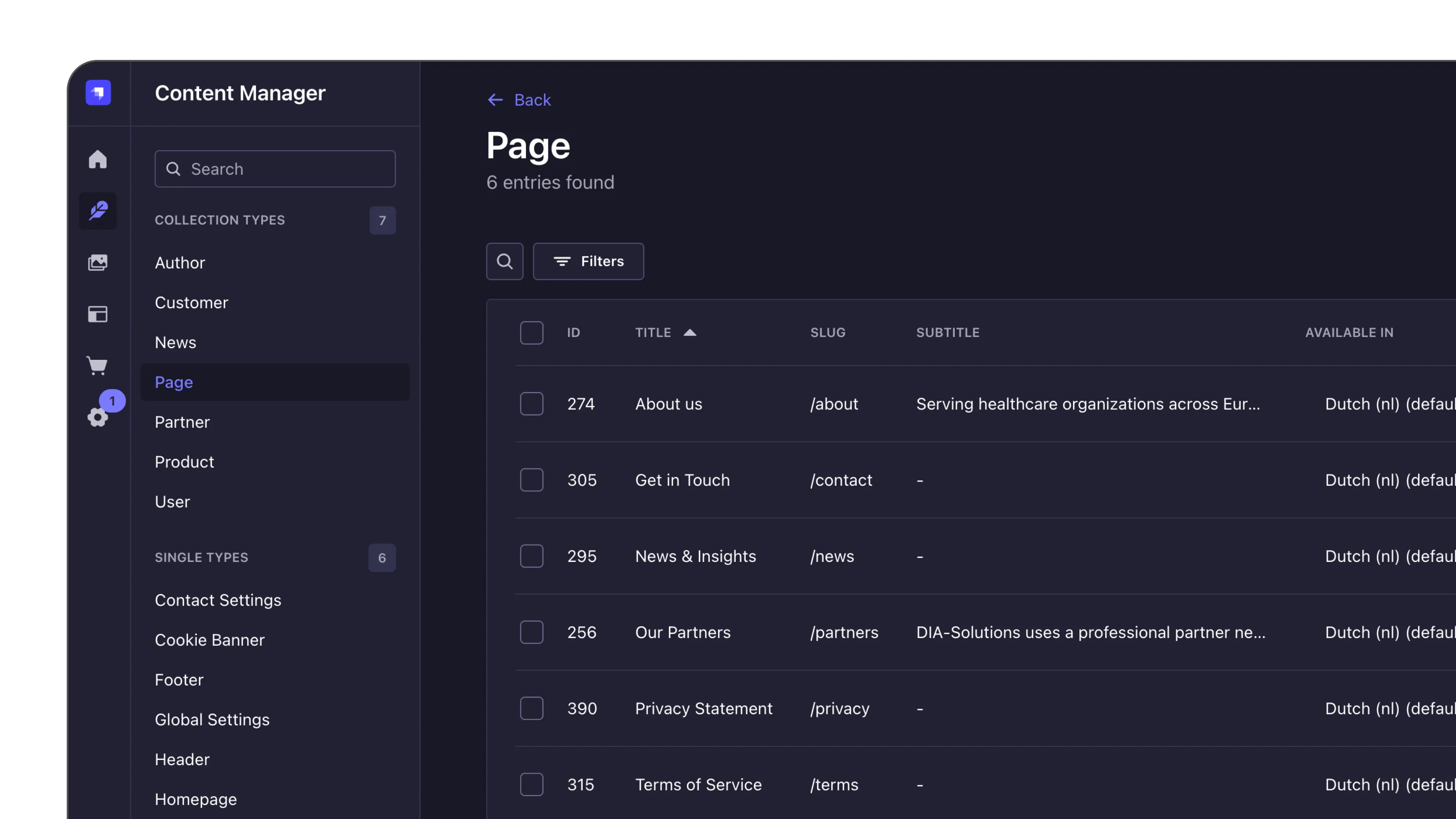
I built a "Lego-like" design system using a headless architecture. This separated the content management (Strapi) from the frontend (Next.js), giving the marketing team a visual page builder experience while ensuring the site remained fast and type-safe.

1. Empowering the Marketing Team
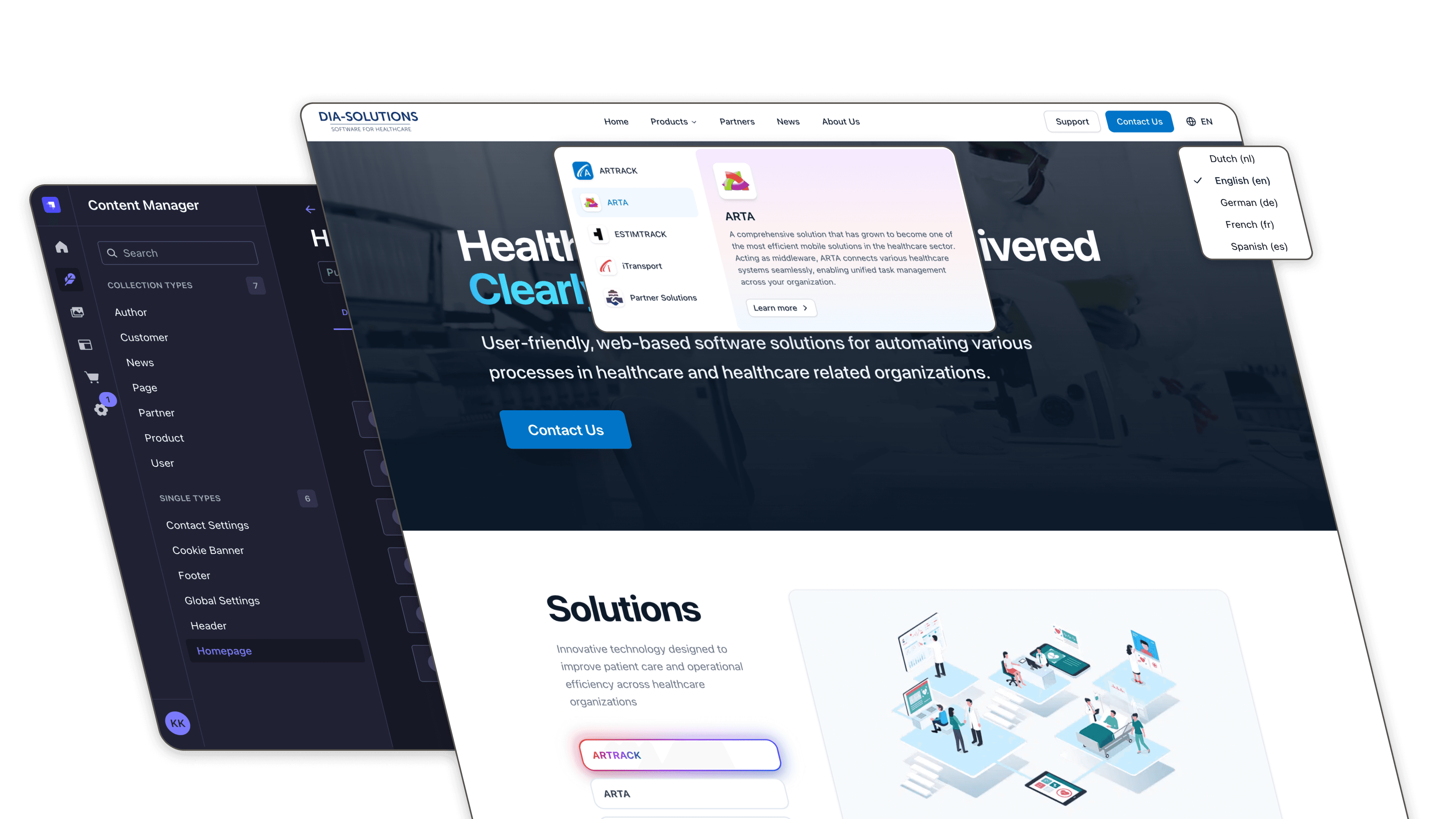
Instead of hardcoding pages, I built a library of flexible, reusable components. The marketing team can now compose entirely new layouts—mixing hero sections, feature grids, and testimonials—directly in the CMS.
The interface was customized to match their specific content needs, making it intuitive for non-technical users to build pages like the Solutions overview.

2. Handling Complex Data
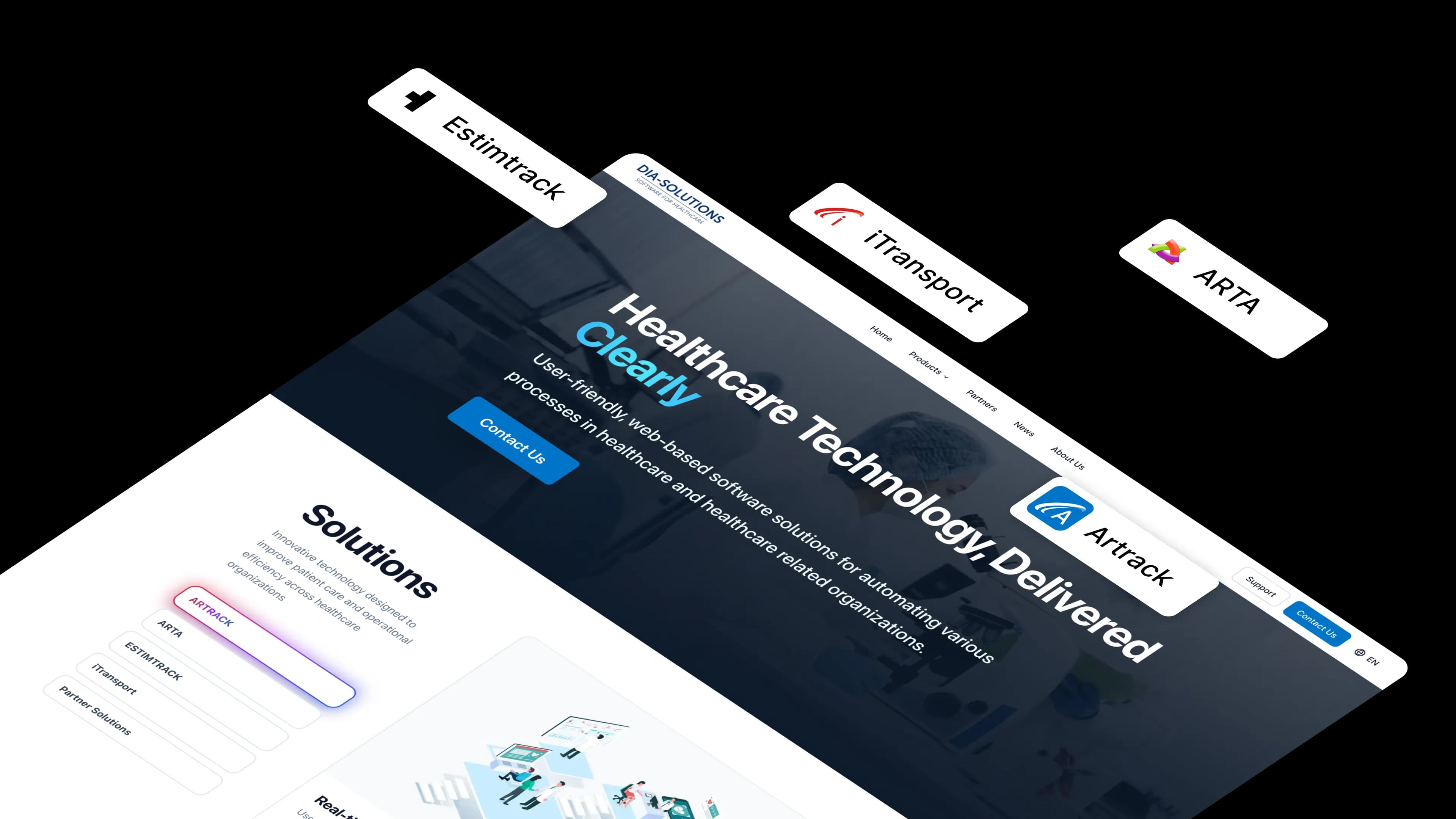
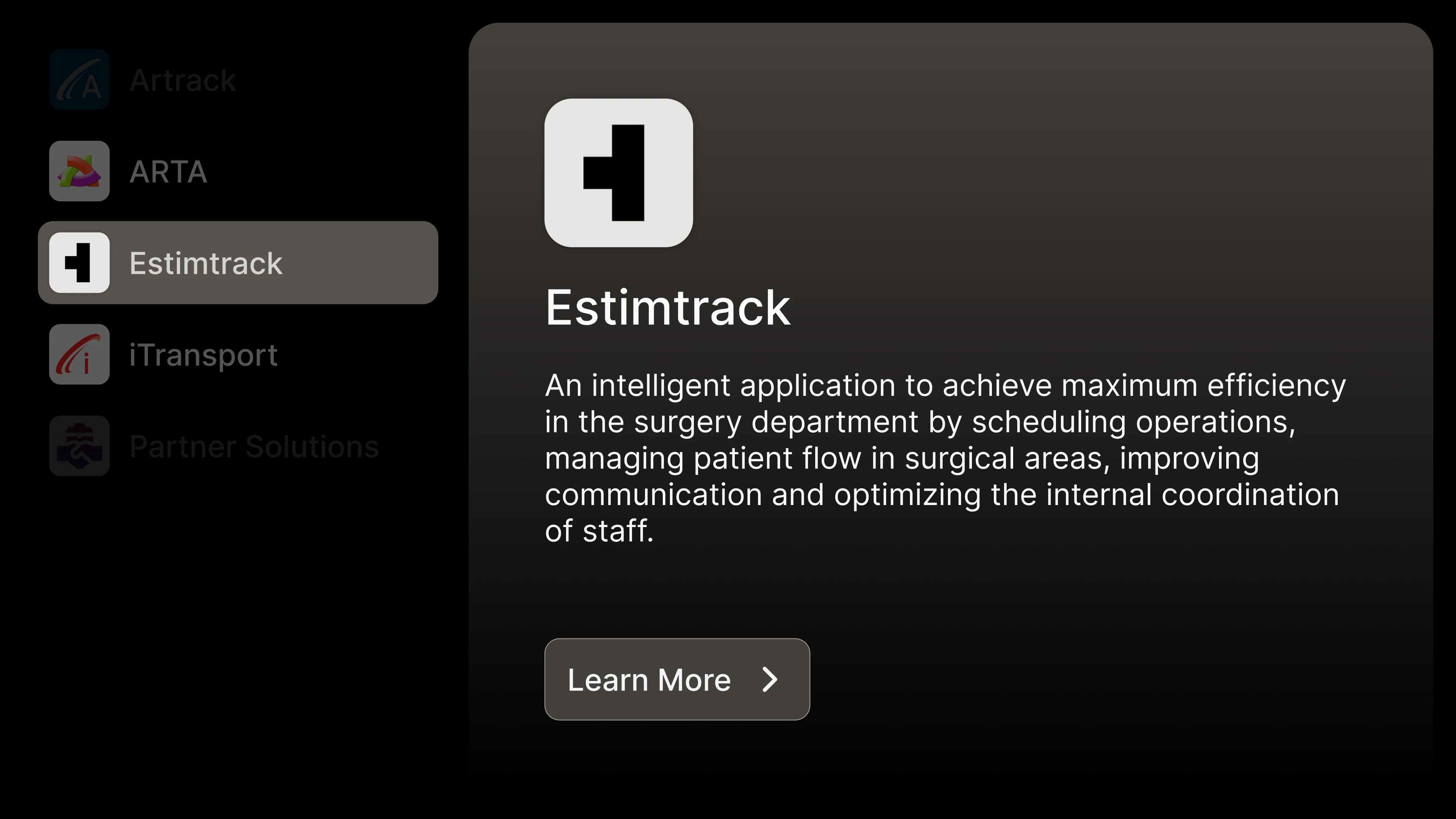
The products (ARTRACK, Estimtrack, iARTA) required deep technical documentation and module breakdowns. I created structured content types that allowed the team to input complex product data once and have it render beautifully across the site.


3. Native Multilingual Support
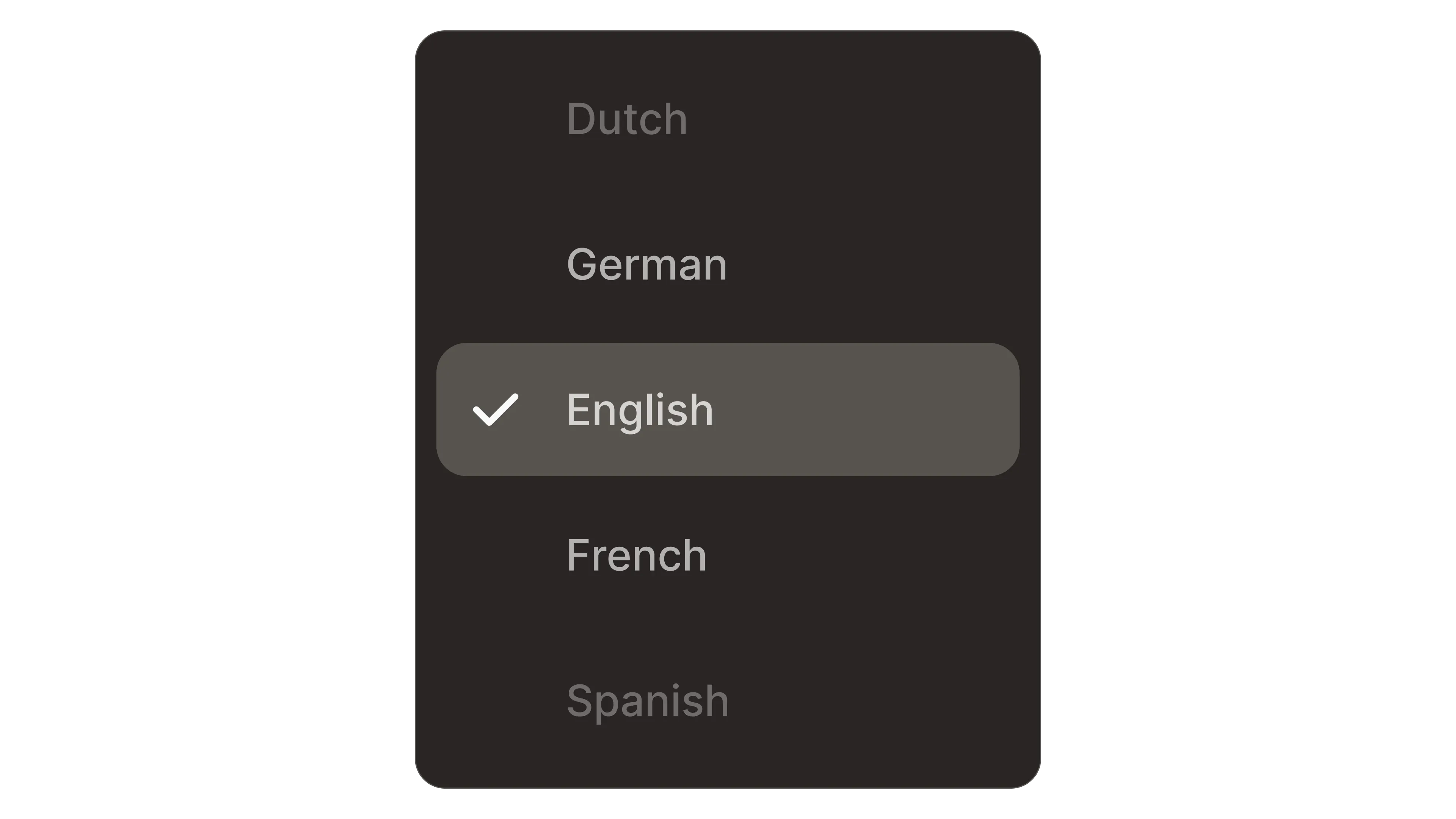
Serving 5 languages (EN, ES, NL, FR, DE) required a robust routing system. I implemented a single-codebase architecture where content localization is handled centrally in the CMS, automatically propagating to the correct locale routes on the frontend.

Key Decisions
Headless Over Monolithic
Choosing Strapi + Next.js over WordPress allowed us to keep the frontend high-performance and fully customizable, while still giving the marketing team the 'visual editing' experience they needed.
Component-First Architecture
I treated the CMS as a product for the marketing team. By defining strict component schemas (e.g., 'Hero Section', 'Feature Grid'), I ensured they could never 'break' the design, no matter how they combined the blocks.
Strict Type Safety
Using TypeScript to mirror the Strapi content models meant the frontend was 'self-aware'. If a content structure changed, the build would fail immediately, preventing runtime errors in production.
The Results
We met the aggressive 4-week deadline, delivering a unified platform that the marketing team successfully used to launch their new brand identity.

- Zero Developer Dependency: Marketing now launches new campaigns and pages 100% independently.
- Unified Brand Experience: Customers in all 5 markets now experience a consistent, professional brand.
- Scalable Foundation: The component system allows for infinite new page variations without writing new code.
Takeaways
- Respect the Complexity: I’ll be honest—I underestimated the engineering weight of supporting 5 languages. It wasn't just about translation; it was about structure. This project taught me that localization isn't a feature you tack on; it's a foundational constraint that needs to be planned before a single line of code is written.
- Slow Down to Speed Up: Building my first backend brought plenty of surprises. I learned the hard way that diving straight into the code is actually slower. Taking the time to really understand the documentation and plan the architecture upfront is the ultimate shortcut. It changed how I approach every new technology since.