People who play any game feel and understand each other. They create conversations that last, talk about things that seem crazy from the outside, are passionate about specific elements of the game, spend a lot of time on it, and show unexplainable enthusiasm.
This happens in video games as well.
Curiosity prompted me to learn more about this strong connection that people have with something that only exists virtually. It is fascinating how people are so devoted and give so much importance. What is the secret?
As a UX designer, this is the first thing that comes to mind.
The Difference in Game Design
There is a considerable difference between a designer who works with video games and a designer who builds other digital products.
But I am impressed by my fellow video game UX designers. One thing they do very well is create large and functional communities that have an extraordinary impact on many people.
Why Should Communities Exist?

"Humans aren't meant to be alone all the time: connecting as part of a meaningful community is important for our mental well-being."
We are closely connected to the communities where we live because it makes us feel good when we contribute to something bigger than ourselves.
What Makes Gaming Communities Successful?

A gaming community is a group of people who rally around a specific game they like. They can:
- Help one another with tips and tricks
- Commiserate about favorite plot twists
- Debate the best characters
- Discuss the ebbs and flows of newest patches, characters, and maps
The Secret Ingredients:
Passion for the game and the elements that make it special are two of the main reasons gaming communities are built sustainably.
Building something over time is seen and appreciated by everyone as an achievement, an achievement that isn't distinguishable in real life.
This creates a space for people to find a place where they can express their opinions and thoughts by creating their own identity, even though, in most cases, it's different from their real-life identity.
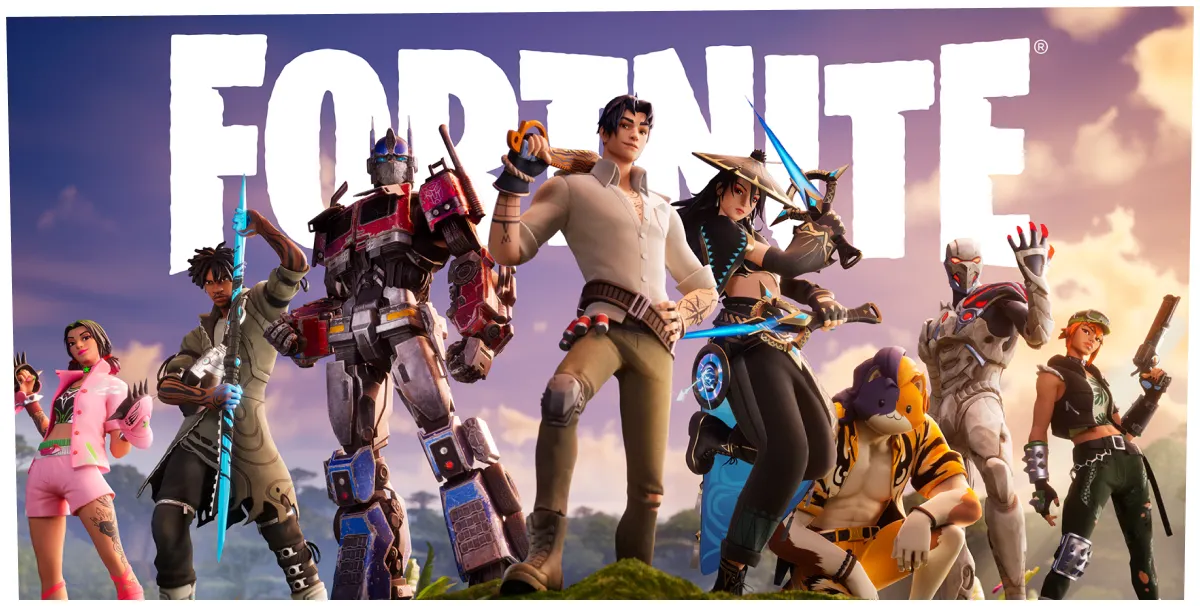
Expressing Creativity to the Fullest
In real life, it's difficult to:
- Stand out
- Say everything you think the way you think it
- Experiment
- Take risks
- Lose
- Start over from scratch
For all these things, you will be judged.
All this emptiness created by real life and the huge barriers to expressing oneself is turned into great potential on a platform where such things don't happen.
On the contrary, you are valued and respected for what you do. Everyone has an equal chance.
Recognition Among Others
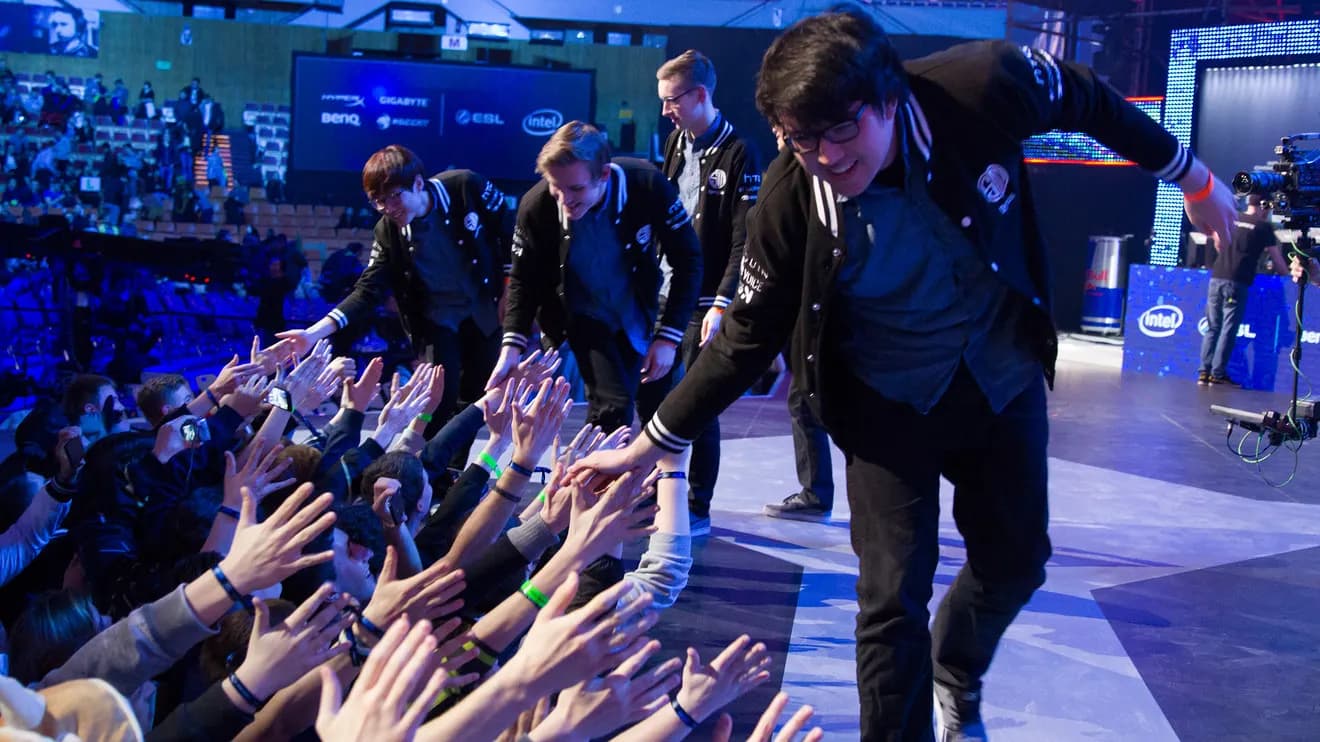
Perhaps one of the things people like the most.
Although we can say we don't need recognition, as social beings, we need to define our identity, presence, and happiness in a community.
It has been scientifically proven that people are highly influenced by society, and good social relationships are the most consistent predictor of a happy life.
In video games, recognition is one of the things people work hardest to get, to feel better, more professional, more skilled, and more respected.
Sharing the Same Story
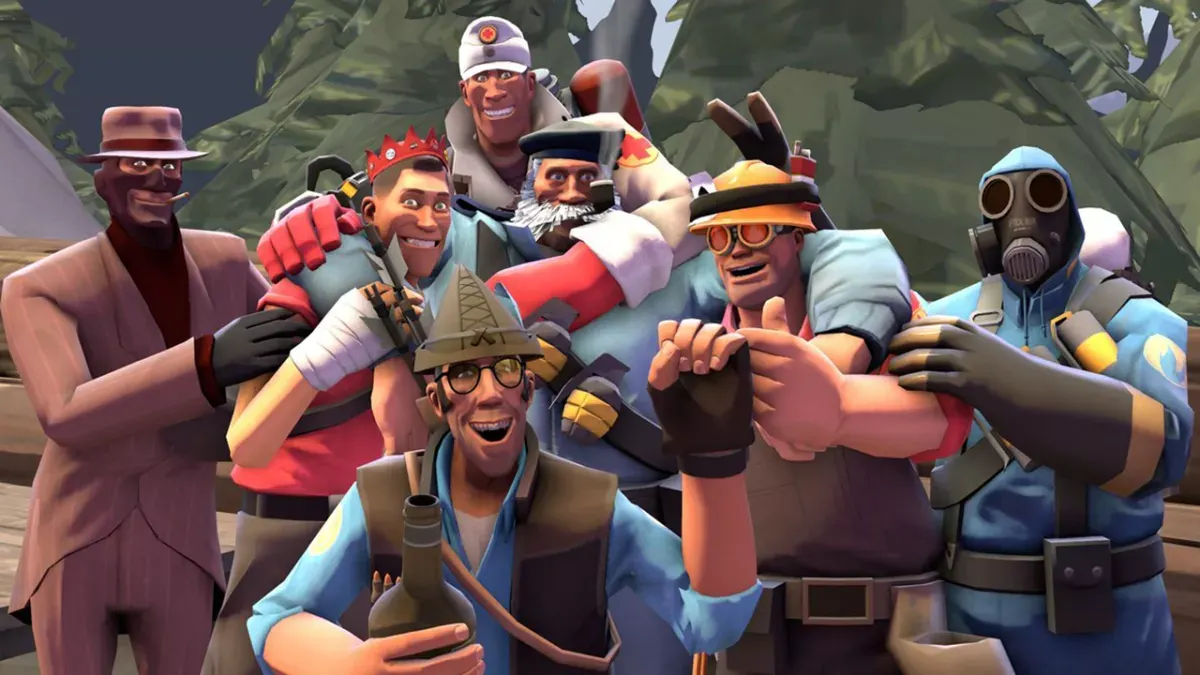
Sharing the same story brings people together in a strong community where they feel, respect, and lift each other.
I cannot explain in words how important it is for a community to create a space where you can:
- Express yourself
- Show who you are and what you want
- Show your lowest and highest points
- Be understood and respected without being judged
Competing, Achieving, Respecting, and Loving Each Other
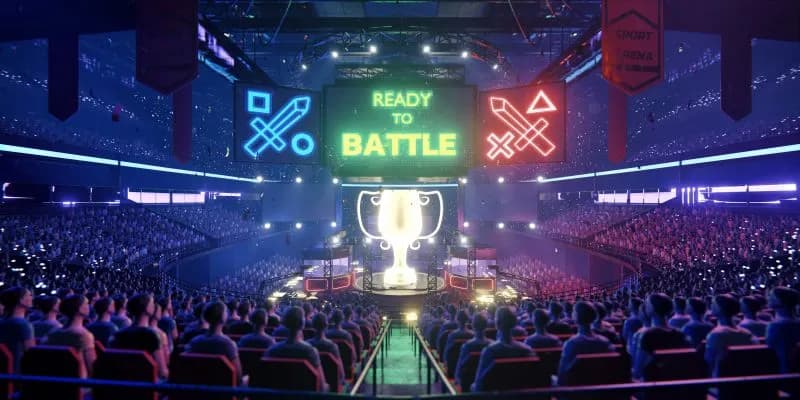
All at the same time. This is what makes these communities special.
People:
- Compete with each other
- Achieve things together in teams and clans
- Respect each other for their skills
- Love each other by supporting and helping each other rise
It seems like a surreal world, and it is, but it becomes real only through the people.
What This Means for Non-Gaming Products
Using the same concept, we can approach other products and bring the same benefits to people, keeping them engaged with the product and (most importantly) engaging them with each other.
The existence of a community is essential to creating a loyal customer base with whom you can communicate the values and the WHY of your product.
How to Apply These Lessons:
- Communicate exclusive offers by breaking down communication barriers
- Create a friendlier and more trustworthy environment: letting people know someone is there to take care of their needs
- Increase human contact: very important in building trust
- Enable sharing experiences: people find themselves and directly link those experiences to your product
- Open up to different ideas and feedback: creates opportunity for expression and new ideas
Through what people say, we can understand what people want, feel their true desires, understand their dreams, and be a step ahead in surprising them with the next big thing.
The Power of Story
Stories bring people together, and the story that exists for your product, along with its purpose, plays an important role in the relationship you create with people.
A true (or aspirational) story creates more reasons why people should choose you among others.
Creating a friendly and encouraging environment opens the door for many people with different perspectives to express themselves like nowhere else.
Appreciating and recognizing those who have made a positive impact on your product is another reason why many other people might choose you.
These concepts from video games fit well into non-gaming products, creating an interactive environment that takes your product to another level.