How we think matters. Why we think matters even more.
Knowledge is necessary, but the mindset and human skills of designers, product managers, and stakeholders are decisive to let this knowledge come to life.
1. Curiosity
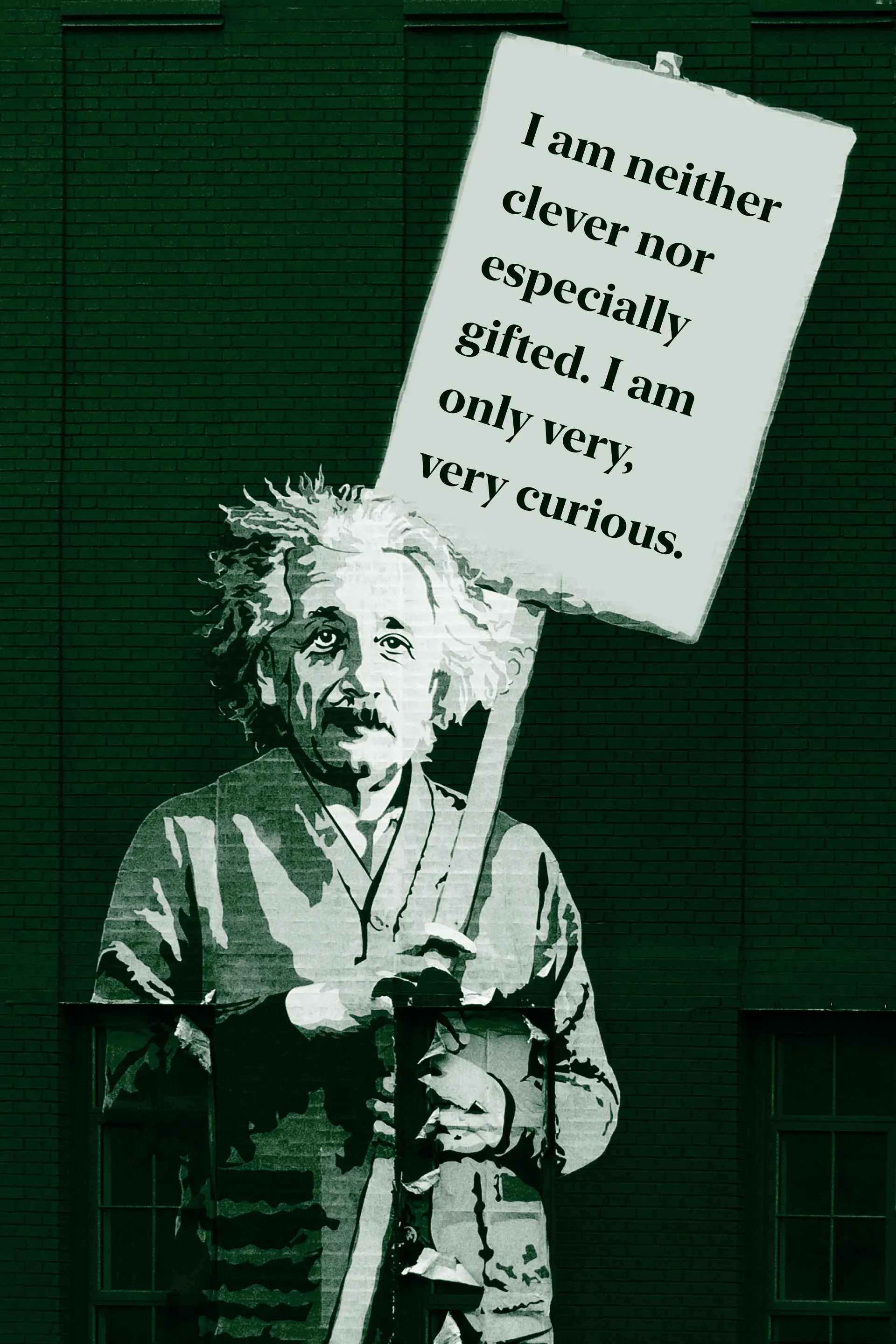
"I have no special talents. I am only passionately curious." (Albert Einstein)
In his book Sapiens: A Brief History of Humankind, Yuval Noah Harari mentions that Europeans were the first to discover new territories because they were extremely curious and considered themselves clueless, unlike the rest of the world who thought they knew everything.
The maps of Europeans were almost empty, waiting to be filled later by discoveries. The maps of other sapiens were full of territories guessed by the first of the tribe.
How to be curious? Reset your mind and start over from zero. Don't assume. Open yourself and learn.
2. Active Questioning

"Active Questioning is the intentional consequence of Active Listening and can be a powerful catalyst for inspiration, human development, influence, and problem resolution."
Asking is one of the most impactful acts you can do in a conversation. Ask open-ended questions such as:
- What?
- How?
- Why?
Active Questioning is caring.
3. Active Listening

"Active listening is a communication skill that involves going beyond simply hearing the words that another person speaks but also seeking to understand the meaning and intent behind them."
Jordan Peterson says in one of his speeches that the biggest favor you can do a person is to listen to them, not give advice.
Listening carefully to your customer is more important than the product and solution you are offering. To make sure you understood well, rephrase what you heard in the conversation.
Active Listening is caring.
4. Empathy

"Empathy is the ability to emotionally understand what other people feel, see things from their point of view, and imagine yourself in their place."
Essentially, it is putting yourself in someone else's position and feeling what they are feeling.
Empathizing is caring.
5. Collaboration

Improving an experience can be initiated by one person, but it can't be done without a team.
Cooperation is critical for the progress of a project and its results. This is a team sport. Without the help of a group of people who know what they are doing, it's impossible to finish properly.
6. Lean Improvement
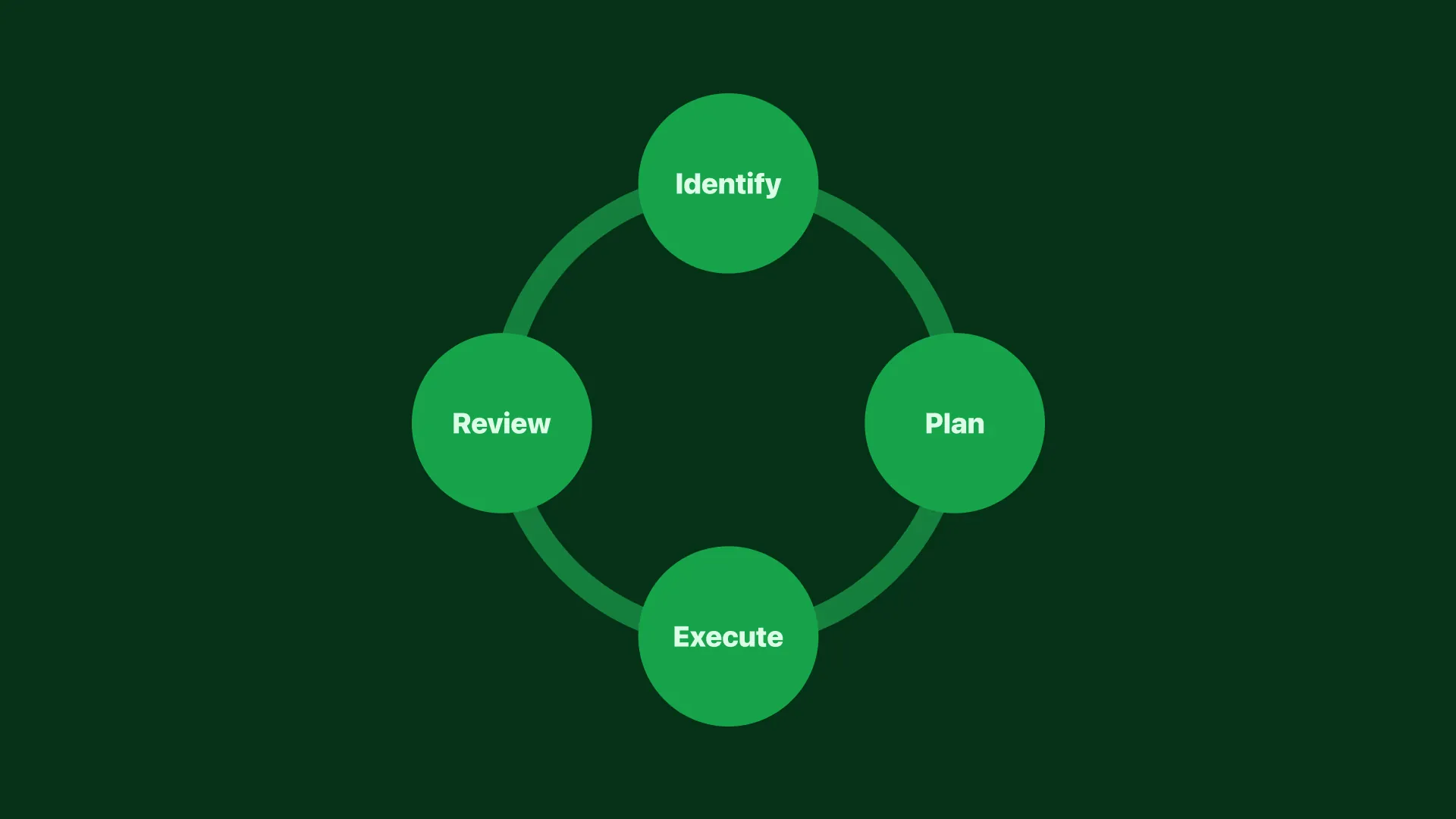
Succeeding comes by improving every single day. When I say improvement, I'm talking about all levels within an organization relating to:
- Themselves
- Their organization
- Their product
Thus serving people better.
"Lean process improvement is a mindset, not an event."
7. Perspective Expansion

"When you change the way you look at things, the things you look at change."
It's better and helpful when you see things in a wide spectrum and understand how everything works.
Nowadays more than ever, we are connected with almost everything around us, so we need to step back and see how these things impact the people we are serving.
Don't think only about today. Don't think about one person. Leave room for scale.
These seven values form the foundation of a UX mindset that creates meaningful impact. Embrace them, and watch how they transform not just your designs, but your entire approach to solving human problems.